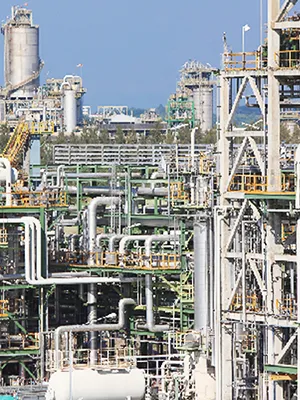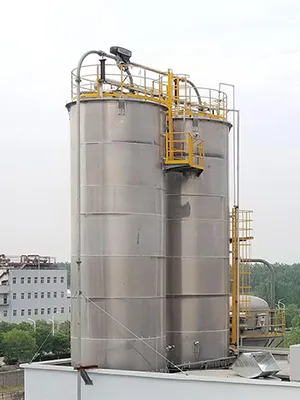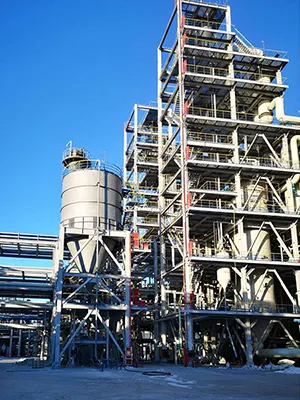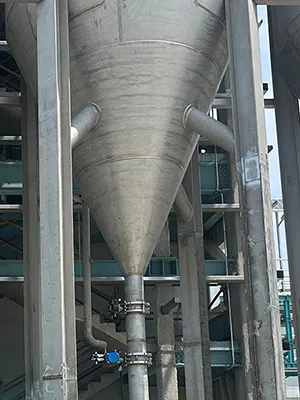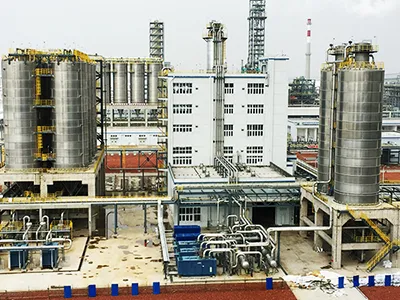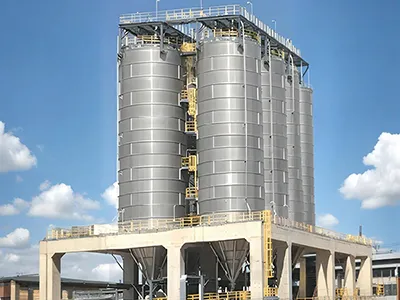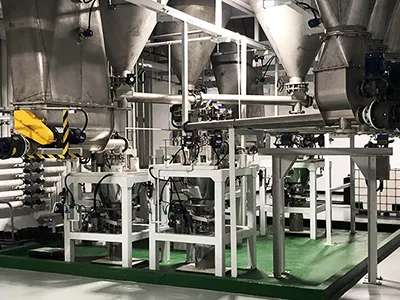
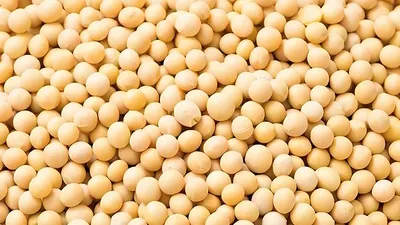
Safe, hygienic, and efficient transfer of bulk-solids such as powders, granules, and low-flowability ingredients is essential to maintaining product quality and regulatory compliance in the food industry. Our pneumatic conveying systems are engineered to meet these stringent requirements, delivering clean, sealed, and efficient solutions tailored to food production environments.
Food producers commonly face the following operational challenges, each of which is effectively addressed by our tailored bulk-solids handling systems:
Hygiene is paramount in food manufacturing. Our enclosed conveying systems reduce exposure to ambient air, minimizing the risk of foreign matter contamination and ensuring compliance with food safety standards.
Uncontrolled airflow or poor system design can lead to significant raw material loss. ShineRay systems are optimized for accurate air control and dosing precision, reducing waste and maximizing material yield.
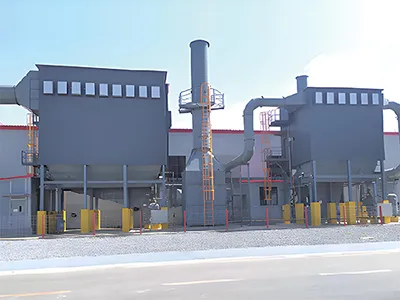
The handling of fine powders such as flour, starch, or sugar can generate airborne dust that endangers worker health and compromises cleanliness. We employ advanced filtration and sealed piping systems to prevent dust release and maintain a clean working environment.
All components in contact with the conveyed material are constructed using certified food-grade materials, ensuring no compromise on hygiene or product integrity.
Our pneumatic conveying solutions offer high-efficiency transfer of food ingredients with minimal human intervention. With intelligent automation and real-time monitoring, our systems ensure uninterrupted, contamination-free material flow. This translates into improved production efficiency, lower operational costs, and increased safety across your food processing line.
Whether you’re handling powdered ingredients, flavorings, or sensitive materials that require gentle transport, our pneumatic conveying systems are engineered to support food manufacturers in achieving consistent, high-quality output while meeting strict industry regulations.
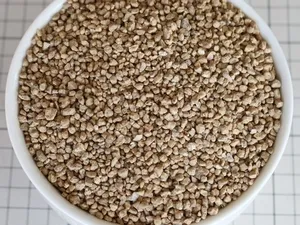 Animal feed
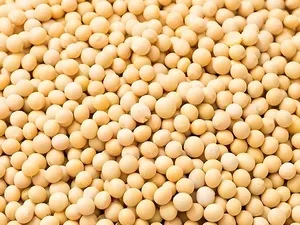 Soybeans
 Bleaching clay
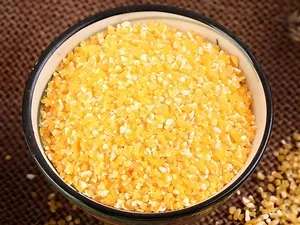 Crushed corn
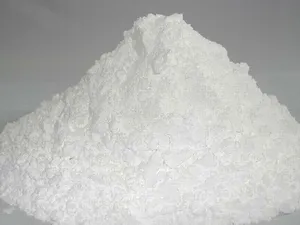 Starch
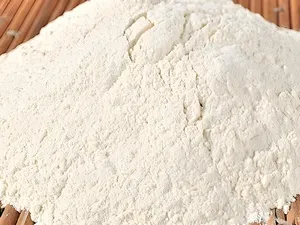 Flour
Flour Monosodium glutamate (MSG)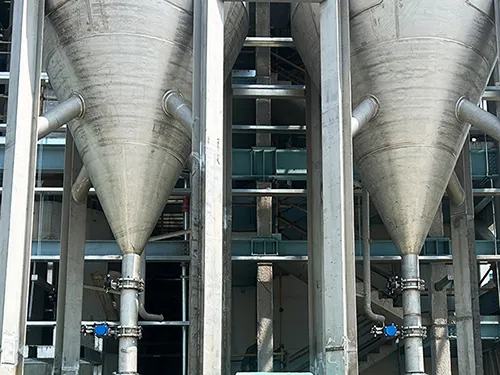
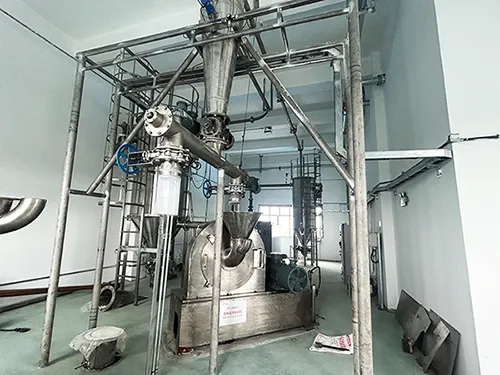
Pneumatic conveying is widely used in various sectors of the food industry. For example, seasoning plants use it to transport granular materials such as monosodium glutamate, chicken essence, and salt. Grain processing facilities rely on it for conveying wheat, rice, soybeans, and other grains, as well as finely processed powders like cornmeal, starch, and flour. In bakeries, it is suitable for transporting flour, powdered sugar, matcha powder, and other baking ingredients. In confectionery and chocolate production, it is used to handle sugar powder, granulated sugar, cocoa powder, and similar materials.
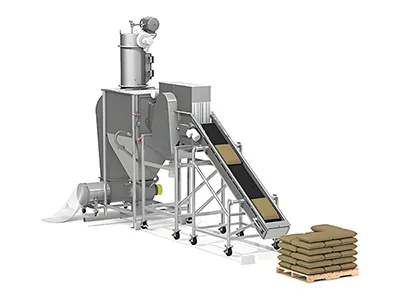
Pneumatic conveying systems provide fully enclosed material transport, significantly reducing the risk of contamination. They enable the efficient movement of bulk-solids, increasing production throughput. These systems support a wide variety of food ingredients, from fine powders to coarse granules, with fewer moving parts, resulting in lower maintenance costs and improved operational efficiency.
For bakery applications, it’s crucial to select a system that delivers gentle handling to preserve ingredient integrity. Pneumatic systems use airflow, high-speed discs, or cables to move materials upward through enclosed piping without generating dust, reducing the risk of static-related explosions and meeting ATEX safety standards. These systems also offer energy efficiency, minimal noise, and sealed transport, ideal for conveying sugar and similar delicate ingredients.
Pneumatic conveying offers the most hygienic, efficient, and flexible solution for handling various types of legumes in production environments. It enables seamless automation and integration with other processing equipment, reduces the risk of product breakage, and minimizes labor and maintenance costs while maintaining high plant productivity.
Yes, pneumatic conveying is a highly suitable option for milk powder due to its ability to maintain purity throughout the transfer process. The enclosed system prevents contamination from external sources and supports high-capacity transfer over long distances. It also features flexible pipeline layouts and effective dust control, significantly reducing the risk of powder buildup and explosion.
Have a question or project in mind? Send us a message and our team will get back to you promptly.
Since its establishment in 2008, ShineRay has built a strong presence with headquarters in Nanjing and multiple branches across Shandong, Fujian, and other regions.